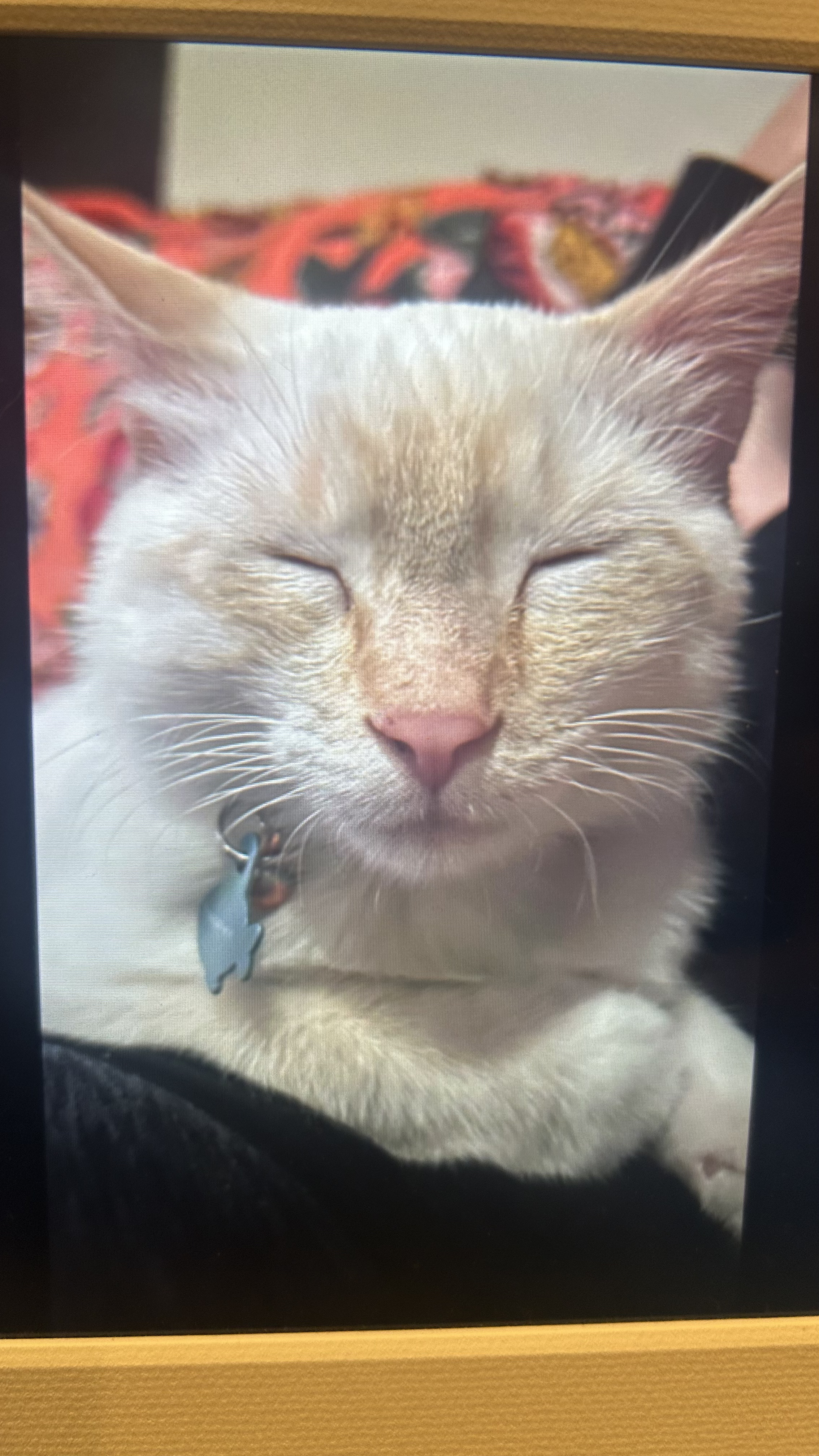
 Tony
Tony 
The human condition in the year of our Lord 2025 is certainly an experience with many philosophical and ethical dilemmas, ranging from the large-scale economic impacts of collective decision making to the principled stances and opportunity costs our everyday actions bring us. More than just that, the globalization of information and increasingly polarized nature of human civilization has pulled all actors in society into needing to have an opinion on these hot-button issues, though few of us lack the expertise to make informed decisions in all that life and politics asks of us.
I believe that humans have a natural moral compass. We all have a small voice within us that communicates whether or not we are making the right choice or thinking the correct thoughts. This voice does not just appear when talking about the centurial issues discussed in the previous paragraph, but in small, daily occurrences. The decadence and fast-paced convenience that characterizes modern day-to-day life seldom gives us the opportunity to stop and reflect on the many morally dubious, yet monotonous, routine tasks we participate in, but the voice of reason within us, however quiet, still makes us feel a small shiver when performing them.
Listening to Pop Music
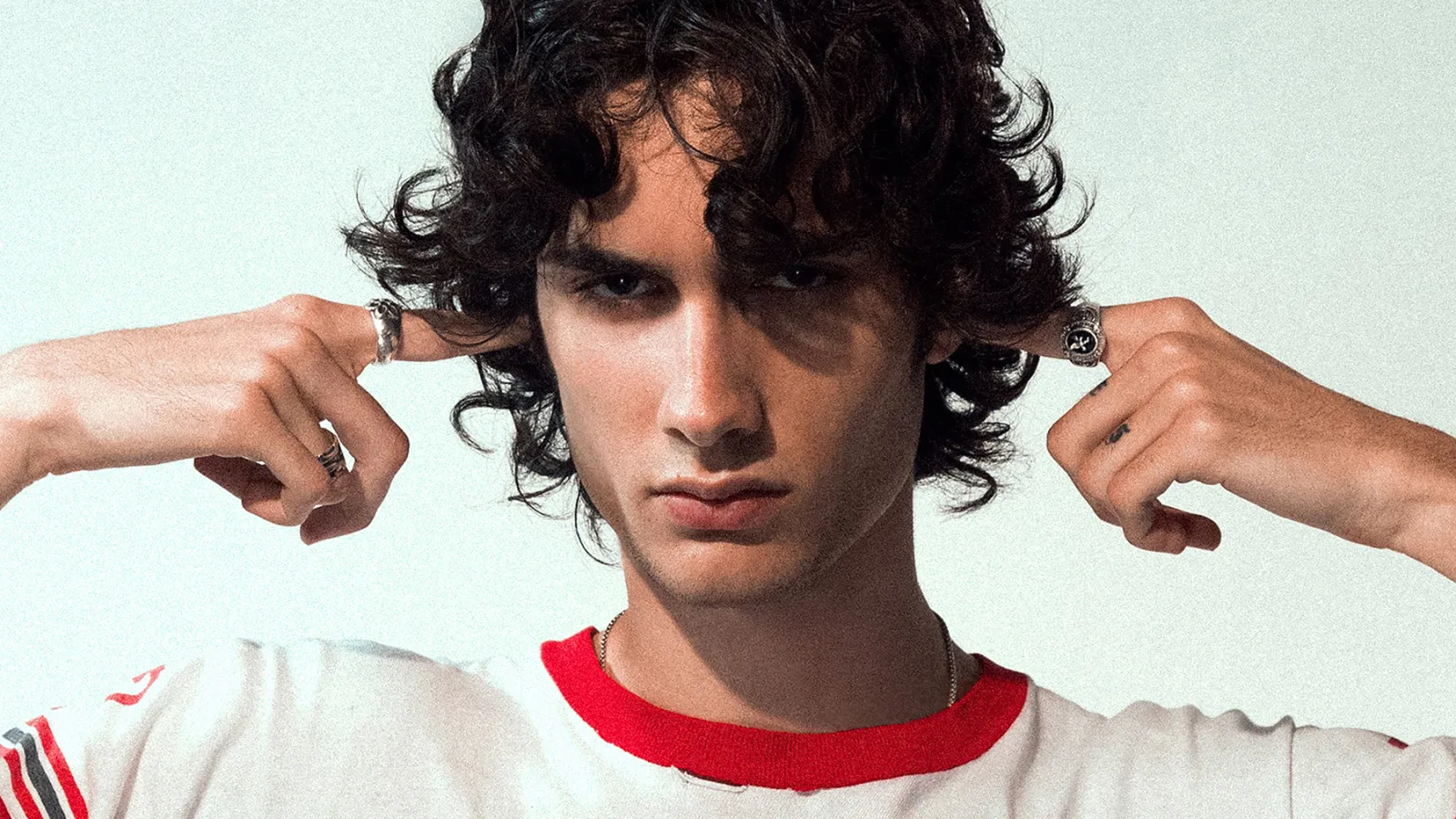
I have no critical opinions of pop music itself, in fact it’s one of my guilty pleasures. The pleasure comes from listening to a catchy pop tune while riding my bike through the countryside, screaming every lyric where no one will hear me. The guilt comes from the fact that many of the most popular western pop stars, specifically the Michael Jacksons and the Britney Spears, are trapped in the record industry production mines against their will. Mr. Jackson never was able to experience the joy of a human childhood because Barry Gordy didn’t let him see the sunlight outside the Motown studio walls until he was 24. Ms. Spears’ career took off at the tender age of 16, and constant media harassment robbed her of any privacy, causing her to go completely insane1.
By listening to this music in any capacity, we contribute to the cycle of individual and creative destruction that plagues the popular music scene. Obviously, hiding in the crowd of millions of Spotify listeners dulls the impact of the individual streamer, but it does cause some psychic pain knowing that my playlist contributes, however minutely, to the capitalistic incentive for owners of music production to squeeze as much as they can out of innocent, talented children.
Wearing Nearly Any Garment of Clothing

More blatant than simple record industry exploitation is the fact that nearly every article of clothing we in the United States wear was produced by a small Vietnamese child toiling in a sweatshop for ten cents a day. The case of the (fast) fashion industry is a most interesting one, because nearly all US consumers understand that exploited, overseas labor forms the foundation of all our “affordable” clothing choices. Yet no one seems to care. I mean, they might care. They might shop at Uniqlo rather than H&M, but the reality is doubtless the same.
The fact of the matter is that very few Americans are willing to pay $60 for a shirt made in the US. The satisfaction of not individually contributing to overseas child labor exploitation is not at all paid by the $45 cost difference. Nike, Adidas, Gap, Victoria’s Secret, and Zara have all been busted for using child labor at one point or another, to which the brands commonly respond in the same way consumers do: “Well, that sucks. Anyway…”
Leaving a Percentage Tip at the Coffee Shop
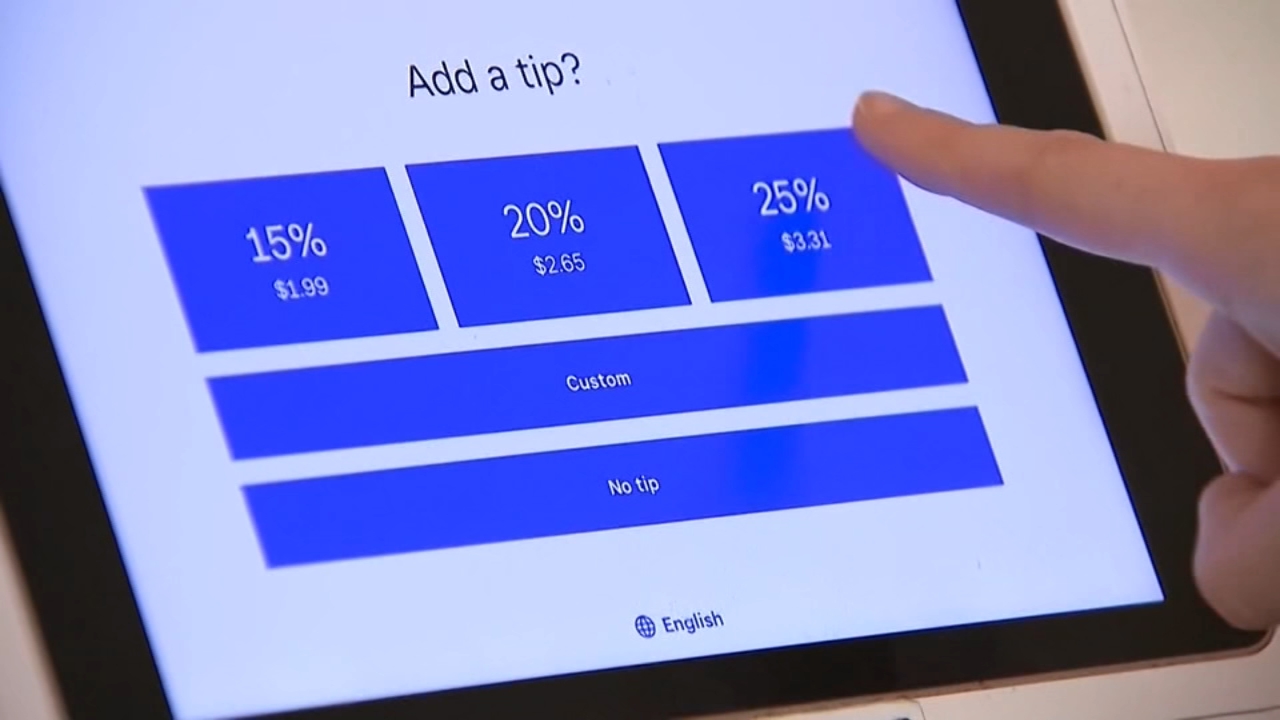
My coffee order (16 oz. hot vanilla latte with whole milk and two sugar packets) at most cafes comes out to ~$6. When the barista flips around the iPad for me to leave a tip, the options will most commonly be in percentages, typically being 10%, 15%, and 20%. I feel somewhat moral leaving what I can afford, typically 15%.
As I smugly think about my contribution to the global project of proletarian liberty as I wait for my drink to be made, I begin thinking about the actual impact of my dollar. Assuming the cafe serves 15 customers hourly and about half of them leave a tip equal to mine and there are three employees on staff pooling tips, that equals a paycheck contribution of about $4/hour. Assuming an Illinois minimum wage of $15/hour, this equals a 26% bump in overall wages. Expressed this way, I may get to protect my identity as a working class hero, but then I consider the fact that hourly coffee shop employees likely don’t receive benefits, healthcare, or paid time off. They are a classic example of exploited labor, so their total surplus value stolen by their employer puts them thousands of dollars in the red. My meager $0.90 tip took them from paycheck-to-paycheck life to paycheck-to-paycheck life with ninety extra cents in their pocket. I’m left with a pit in my stomach that not even the warmest 16oz hot vanilla latte with whole milk and two sugar packets can fill.
-
To me, she’s actually quite normal, but that is a separate subject. ↩
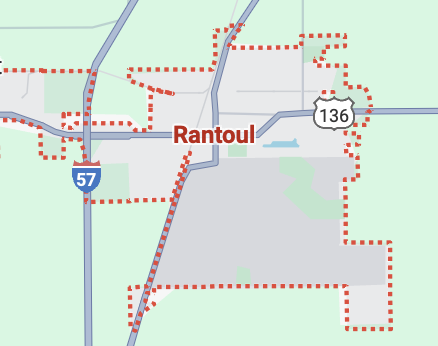 The Scariest Place on Earth